



About GAP Arch – Chartered Architectural Designers in Oswestry
Working side-by-side with our clients to turn ambitious aspirations into reality.
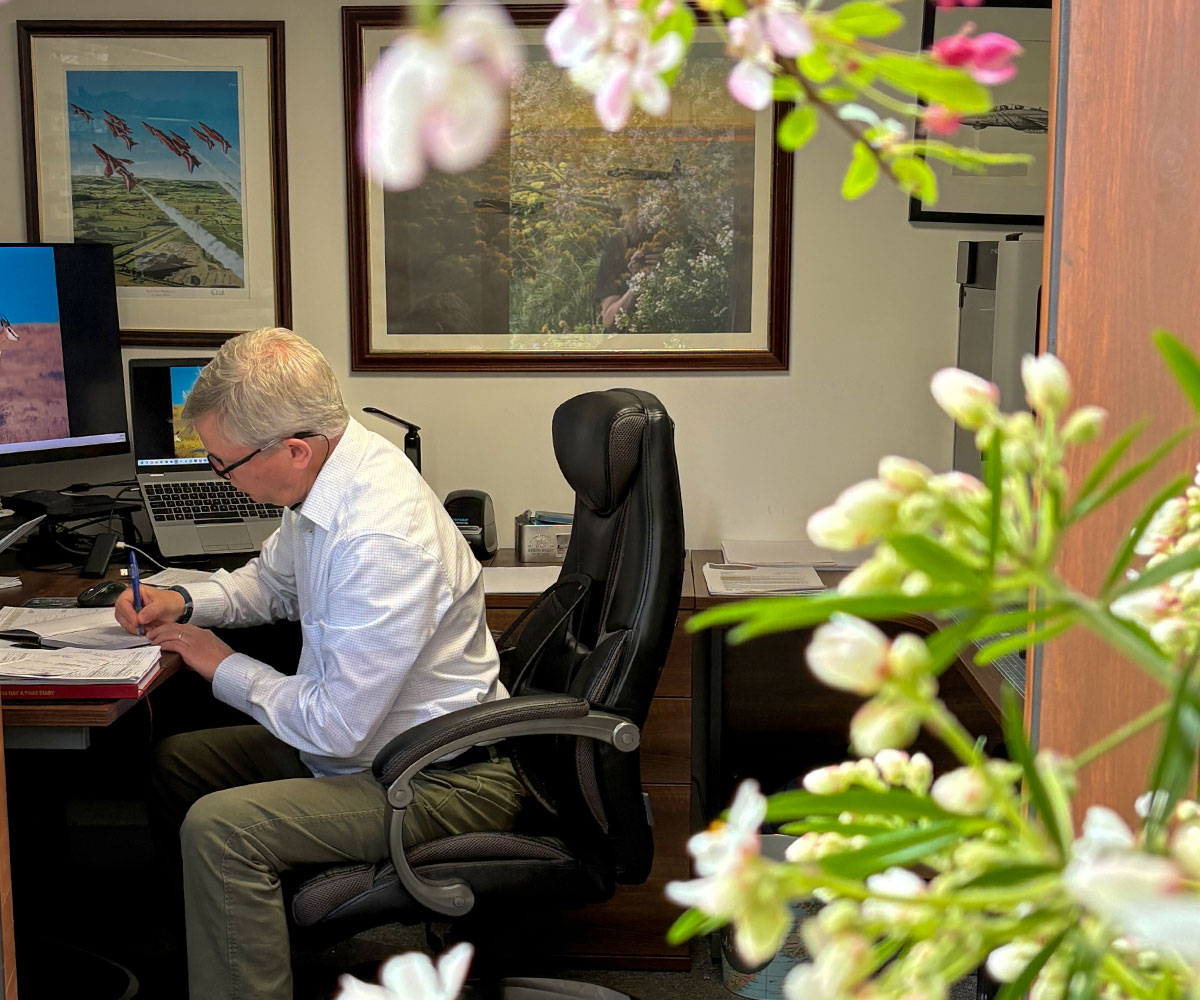
After leading an established Oswestry practice since 2002, Gavin Porritt has launched GAP Arch Ltd—a new chapter in innovative architectural design.
Backed by decades of expertise across Shropshire, Wales, and the UK, we specialise in everything from bespoke domestic extensions to large-scale commercial developments.
Our focus is simple: working side-by-side with our clients to turn ambitious aspirations into reality.
At GAP Arch Ltd, we pride ourselves on a diverse portfolio, welcoming design and build projects of all scales – from long-term commercial developments to rapid renovations and remodelling.
Our expertise spans a broad client base, and we are committed to exploring innovative, sustainable designs and eco-friendly ‘green and lean’ materials throughout the entire process.
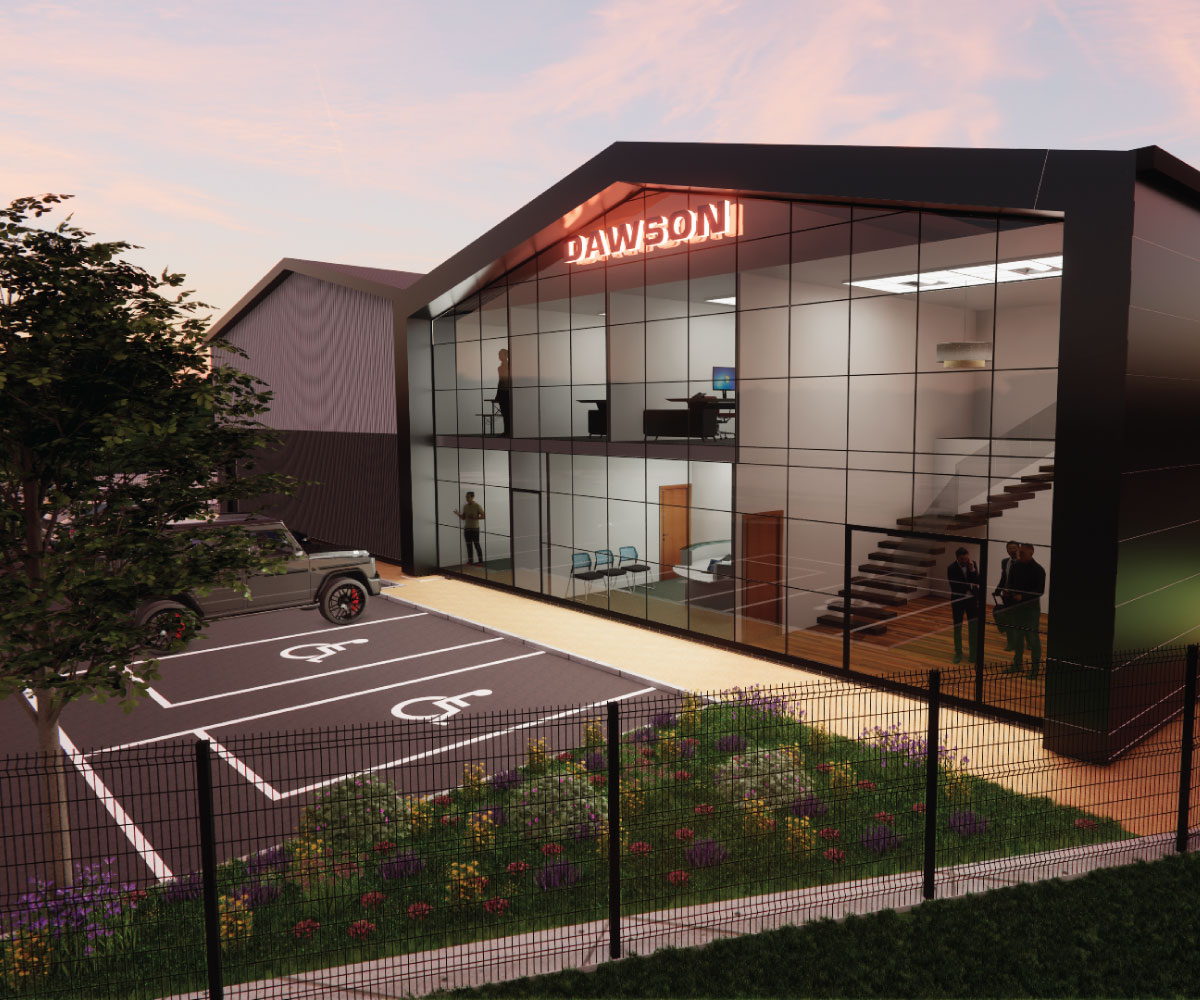
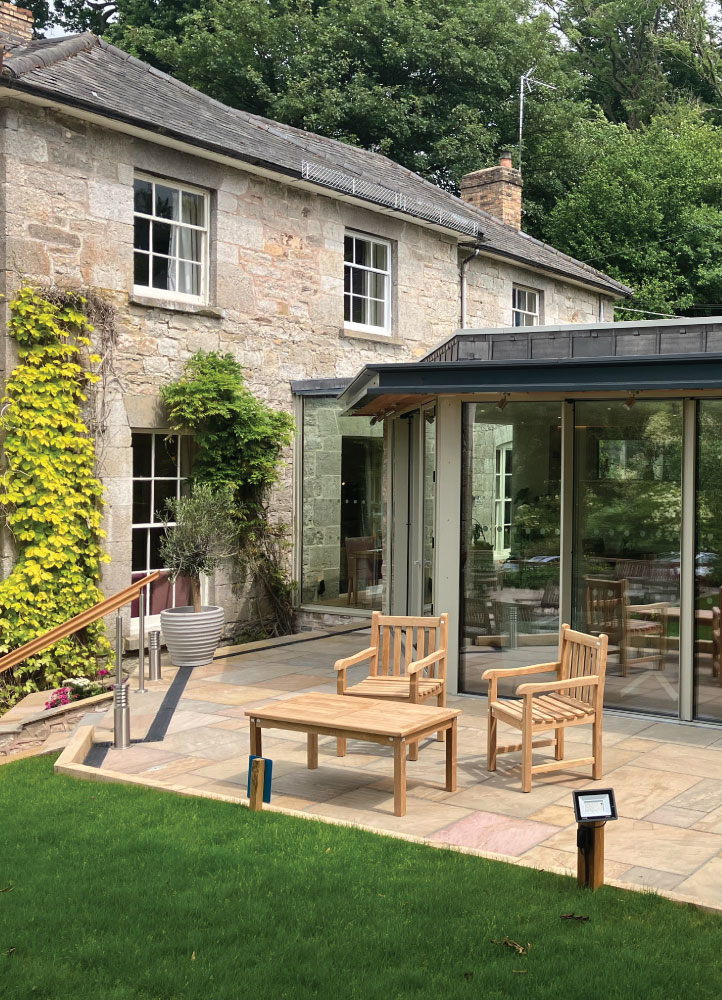
Our Clients


















FAQ
Planning Your Home Improvements: Do I Need Permission?
Generally, internal renovations and remodelling (like new kitchens or bathrooms) do not require planning permission, provided your home is not listed. However, most external changes—such as extensions, remodelling the exterior, or converting a garage into a living space—will likely need approval, as these fall under stricter planning regulations.
While some alterations, including certain loft conversions and single-storey extensions, may fall under “permitted development” rights, it is always crucial to check with your local authority to ensure compliance.
GAP Arch Ltd is available to guide you through the entire planning process, ensuring your project meets all necessary requirements. For preliminary information, you can also consult www.planningportal.co.uk.
What is a measured survey? Why do I need this?
Accurate Planning & Design: An Architectural Technologist provides detailed, to-scale drawings showing exactly how the building sits, allowing architects to design accurate extensions, remodelling, or alterations that fit seamlessly.
Planning Permission Compliance: Ensures proposed changes meet local planning guidelines, such as matching neighbouring buildings or complying with restrictions on height, which is critical for planning applications.
Reduced Risk & Cost Savings: Avoids expensive onsite, last-minute modifications (e.g., windows not fitting or flooring mismatches) by providing precise measurements before construction begins, preventing costly delays and errors.
Structural Understanding: Captures all structural elements, ceiling heights, and wall positions, giving a true picture of the building’s current state.
It is recommended to conduct a measured building survey at the beginning of any development project to ensure design accuracy.
What are Building Regulations?
Building Regulations (or “Building Regs”) are the minimum legal standards for the design, construction, and alteration of almost all new buildings and significant home renovations. Developed by the government, they ensure buildings are safe, structurally sound, energy-efficient, and accessible.
These regulations are separate from Planning Permission. While planning determines if you can build, Building Regulations check how you build. They are enforced by local authority Building Inspectors or private approved inspectors who check plans and inspect work on-site.
Key areas covered include:
- Safety: Structural integrity, fire safety, and safe access.
- Health: Ventilation, sanitation, and moisture resistance.
- Sustainability: Energy efficiency, insulation, and fuel conservation.
Do I Need Building Regulations?
Yes, in most cases where structural work, renovations, or new services are being added, you will need Building Regulations approval.
Common projects that require approval:
- Extensions and loft conversions.
- Structural alterations (e.g., removing a load-bearing wall or chimney breast).
- Installing new windows/doors or making openings larger.
- Most new plumbing (e.g., creating a new ensuite) or electrical work.
- Replacing roof coverings.
Why Are Building Regulations Necessary?
Safety & Quality: They ensure your home is safe and built to a good standard.
Selling Your Home: You will need to provide completion certificates when selling your home. Without them, you may face significant difficulties or need to obtain expensive retrospective “regularisation” approval.
Legal Compliance: Starting work without approval is illegal and can lead to fines or being forced to tear down the work.
How Does The Building Regulations Process Work?
Once planning permission is secured, detailed construction drawings are developed, and a Building Regulations Application is submitted on your behalf. This ensures your project is fully compliant before construction begins.
For a full list of approved documents, visit the Planning Portal: http://www.planningportal.gov.uk/buildingregulations/approveddocuments/
What Are Your Fees?
Our fees are tailored to the specific size and timeline of your project. While we offer individual design drawings following a free initial consultation, GAP Arch Ltd specialises in delivering a complete, end-to-end service. This ensures all aspects of your project are professionally managed, giving you total peace of mind. Please contact us for a personalised quote
Our Team

Gavin Porritt, Managing Director
Born in rural Rhodesia and raised in a farming family in South Africa, where he also received his education. He now resides in Oswestry, Shropshire, with his wife Bethan and their three grown children, Maddie, Clover, and Robin. During the 1990s, Gavin studied architecture in Johannesburg under the guidance of renowned architect Joe Noero. This period was marked by his involvement in numerous community projects within South African townships, which, although tumultuous, provided him with invaluable experience.
In 1999, Gavin relocated to the UK, where he took on various roles, including tractor driving, window cleaning, and working in a joinery workshop, before securing his first architectural position at AHR Shrewsbury, now known as Aedas AHR. After a two-year stint in Shrewsbury, he moved to Oswestry to work for MG Design, a practice led by Melvin Gough. Gavin and Melvin subsequently transformed MG Design into a limited company, Design and Planning Associates Ltd (DPA), with Gavin serving as director.
Following 23 years as an associate and director at DPA, Gavin left to establish a new chartered architectural practice, GAP Arch Ltd, bringing with him a wealth of experience, local planning knowledge, and a loyal client base. His enduring relationships with established consultants remain a valuable asset, and he is pleased to have been joined by a former colleague, forming a reputable and solid design practice.
Gavin is eager to deliver a professional yet friendly service to his clients. Beyond architecture, his interests include traveling, attending airshows, and creating models using his 3D printer. He is also an avid tennis player and enjoys visiting his homeland, South Africa, to spend time with his sister and parents. Gavin is also a keen rugby fan, supporting his beloved Springboks.

Julian McAlster, Senior Architectural Technologist
Julian was born in Wolverhampton and has been interested in Architecture from a young age due to his father being an Architect and former President of the local RIBA. He was schooled at Tettenhall College, moving to Shrewsbury in 2011 where he now lives with his wife Rebecca (a Town Planner in private practice) and his two youngest children George and Emilia. His eldest son Joseph heads up the construction department at Kidderminster College and is recently married.
Julian started his career working alongside his father and was lucky to have gained vast experience from such a well respected local Architect. He has now gained over 44 years of experience working as an Architectural Technologist across a variety of sectors.
Following a merger of his father’s company, between 1991 – 1997 he worked for the Alan Cotterell Practice Architects.
Then, between 1997 – 2003 he worked for ETC Design Ltd Architects. Between 2003 – 2010 he was a Senior Architectural Technologist and Office Manager of the Codsall office of Turnbull Tweedale (Wales) Ltd Architects and Town Planners. MTC Planning & Design Ltd was formed in 2011 where he continued the role of Architectural Technologist until 2016. Julian then joined Design & Planning Associates Ltd and worked there for 10 years, also becoming an Associate of the business.
Julian is very pleased to be working with Gavin at GAP Arch Ltd and continues to provide the best professional service he can to clients doing what he has enjoyed doing for the past 40 plus years.
Julian is a keen cyclist and DIY enthusiast. He enjoys restoring boats, and working on construction projects around his house and garden, including a self build kitchen extension, outdoor kitchen and a timber frame garden building to create a gymnasium.